Gardening tips can start with the humblest object in the house, and spring proves that every year. The season invites fresh soil, lighter evenings, and small decisions that make outdoor spaces feel alive again. Sometimes the smartest fix costs nothing, because the best garden habits begin with what people usually toss. A plain cardboard toilet roll can help seeds start well, feed compost, and cover bare ground.
Gardening tips that begin indoors
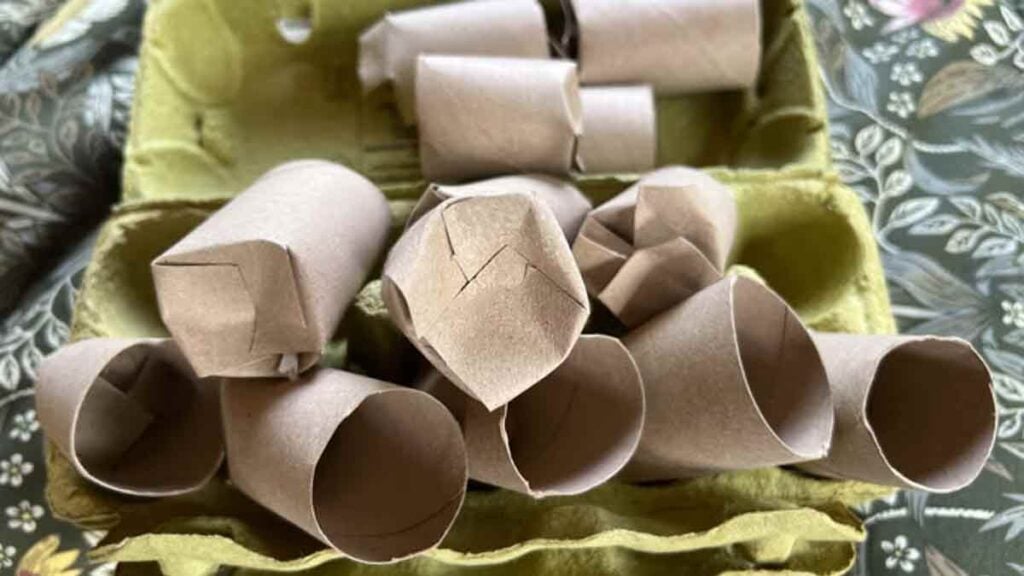
Most gardeners think about tools, trays, or new pots when sowing early spring seeds. Cardboard rolls rarely make that list, yet they work surprisingly well for seedlings. Each tube holds enough compost for a short first stage, which suits peas, herbs, and flowers. Roots settle quickly inside the paper walls, and young stems stay upright without much fuss. When the plants outgrow their tiny start, the whole roll can slip into soil.
That move keeps the root ball calmer, which matters more than many beginners realize. Transplant shock often comes from rough handling, not from weather alone. Thin cardboard softens over time, so the roots push through as the material breaks down. That makes this trick feel less like a shortcut and more like smart timing. Among practical gardening tips, this one earns attention because it saves money and reduces waste. It also gives hesitant growers an easy entry point when spring energy starts buzzing.
Feeding the pile naturally
The same roll can do another quiet job once seed sowing ends. Tear it, crush it, or drop it whole into the compost heap. Brown materials matter because they balance wetter scraps and help air move through the mix. Kitchen peelings bring moisture and nitrogen, while cardboard adds the dry structure that compost needs. Worms appreciate that balance, and microbes work faster when the pile does not slump into a soggy block. Small pieces break down faster, so a quick rip before tossing them in helps.
No fancy system is required, only layers, patience, and a bit of attention. A simple bin in a corner can turn household leftovers into dark, crumbly food for beds. That is why gardening tips tied to compost often outlast trendier advice. They reward consistency, not shopping, and gardens often respond better to that slower rhythm. Save a few rolls each week, and the pile gains another useful ingredient. By summer, yesterday’s bathroom scrap can come back as rich matter under tomatoes or beans.
A low cost weed barrier
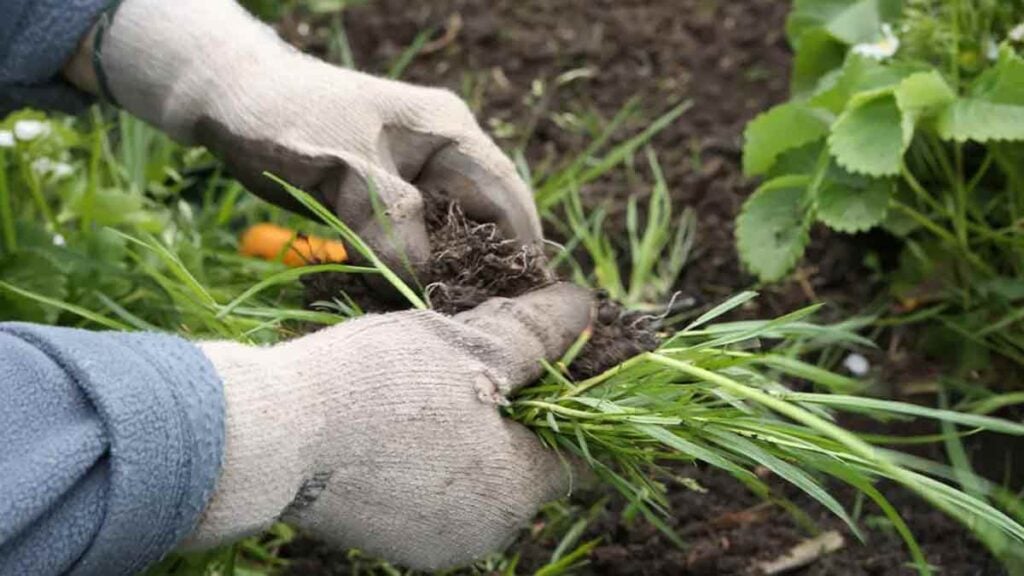
Cardboard rolls also help when weeds start racing ahead of the plants you actually want. Cut the tubes into rings or strips, and scatter them over freshly watered soil. A thin layer will soften fast, yet it still blocks light long enough to slow new sprouts. That matters around young plants, because early competition steals moisture and makes growth patchy. Many gardeners spend too much on fabric sheets when scrap cardboard can handle small spaces. Beds under cucumbers, beans, or squash respond well when the surface stays shaded and loose.
The trick works best with a topping of compost, leaf mold, or light mulch. That extra cover keeps the pieces in place and helps the bed look tidy. Good gardening tips often solve two problems at once, and this one proves it. You cut waste at home, and you spend less time pulling seedlings you never invited. That kind of economy feels satisfying in a season packed with new expenses. It also leaves more room in the budget for compost, twine, or stronger gloves. Nothing flashy appears here, though practical ideas usually last longer than flashy ones.
Using scraps with better timing
Timing matters as much as the object itself, because soggy rolls stored too long lose their usefulness. Set aside clean, dry tubes in late winter, and keep them in a box near your seed trays. By the time spring settles in, you will already have a small stash ready. That preparation saves a trip to the shop and makes early sowing feel simpler. It also turns a forgettable household item into something with a second life. People often overlook these small loops of reuse, even though gardens thrive on them. One smart habit nudges another, and soon the whole space feels more thoughtful.
That is the quiet appeal behind the best gardening tips. They do not demand expensive gear, and they do not ask for perfect conditions. Instead, they reward attention, patience, and a willingness to see value in ordinary things. A recycled roll will not transform a neglected garden overnight, and nobody should pretend it will. Still, it can make the start of the season lighter, cheaper, and less wasteful.
That matters for beginners who feel intimidated by glossy advice and endless shopping lists. A good garden rarely grows from perfection, because it grows from steady care. Use what you have, watch what happens, and adjust with the weather. That mindset teaches more than any dramatic before and after photo ever could. It makes gardening feel grounded, which is often why people stay with it.
Season after season, the small rituals build trust between your hands and the soil. Keep a few rolls for seedlings, tear a few for compost, and slice some for mulch. That single habit covers several jobs without cluttering the shed or draining your wallet. Plenty of gardening tips promise miracles, yet the useful ones usually sound almost too simple.
This is one of those ideas. It asks very little, and it gives back in several directions. You save money, reduce waste, support compost, and protect new growth. Even experienced growers value habits like this, because efficiency matters when chores start piling up. Less waste in the bin often means more material working quietly in the beds. That kind of rhythm suits real households, where budgets, weather, and energy keep changing.
Good gardens grow from repeated care, not from one grand purchase or a perfect plan. Small savings can shape better habits. That is enough reason to start a small collection before your next planting day. Once you try it, throwing those rolls away will feel like missing an easy win. Spring asks for action, and sometimes the smartest answer sits beside the bathroom sink.