James Howells hard drive was never meant to become a modern fable about luck, obsession, and digital loss. One cleaning session changed the shape of his life. A careless toss turned an ordinary device into a vanished fortune. Years later, the mistake still feels unreal because the numbers keep growing.
Back in 2013, Bitcoin still lived at the edge of mainstream attention. To many people, it looked nerdy, volatile, and faintly ridiculous. To James Howells, it represented early belief, technical curiosity, and a stash worth protecting. He had mined thousands of coins years before most people cared. He also kept the private key on a small hard drive. During an office clear-out, that drive ended up in the trash with other old electronics. The bin left his house. The landfill swallowed his access. Only later did the full weight of that moment settle in. As Bitcoin climbed, his error stopped looking personal and started looking historic. The story spread because it touched a raw nerve in the digital age. We trust invisible assets every day. Banking apps, cloud files, crypto wallets, and passwords all depend on tiny gates. Lose one gate, and the whole structure can disappear. Overnight, essentially, forever.
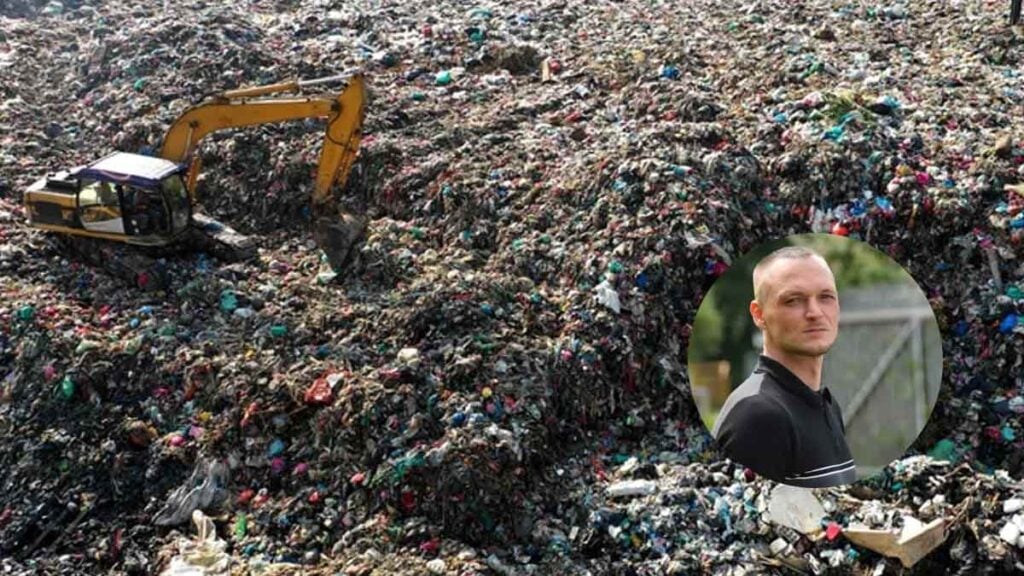
James Howells hard drive under landfill
For years, he refused to treat the loss as final. He studied maps, landfill records, disposal dates, and engineering constraints. That methodical streak kept hope alive when common sense would have folded. He pitched excavation plans that sounded ambitious, expensive, and oddly plausible. One version used sorting machines, environmental controls, drones, and artificial intelligence. Another involved specialists working in sections, rather than tearing through everything blindly. At the center of every proposal sat James Howells hard drive, still imagined intact under mountains of waste.
He even offered private funding to reduce the burden on local authorities. That detail made the saga stranger. This was not a plea for public rescue. It was a determined attempt to reverse one catastrophic click of fate. Friends, critics, and curious strangers watched the effort with mixed emotions. Some admired the persistence. Others saw obsession wearing the clothes of optimism. Either way, the search kept growing beyond a private regret. It became a live experiment in what people will chase when value turns abstract. That made his mission feel part treasure hunt, part morality play. And everyone wondered whether hope could outlast rot.
Why the Law Shut Every Door
The obstacle was never only physical. Law stood in the way long before excavators could. In the United Kingdom, discarded material at a landfill becomes site property. That rule changed the story from misfortune into a custody battle. Newport City Council kept rejecting requests to search the dump. Officials pointed to gas release, contaminated water, unstable ground, and enormous cost. Those concerns were not invented for convenience. A landfill is a living mess, not a sealed attic. Waste shifts, leaks, compresses, and reacts in ugly ways.
Even a wealthy promise could not erase those risks. Courtrooms added their own cold arithmetic. By 2024, a judge had little patience for fantasy dressed as possibility. After more than a decade underground, the odds of recovery looked brutal. Moisture, pressure, corrosion, and time rarely leave electronics untouched. That assessment hurt because it sounded rational. Reason often hurts more than ridicule. When the judge dismissed the case, James Howells hard drive moved further from object to legend. A real thing still existed in theory. Yet access vanished behind statute, safety rules, and administrative refusal. That is how modern life can trap a fortune without thieves, violence, or mystery, using paperwork, patience, and blunt procedure.
A Treasure Hunt Turned Public Myth
Once the legal doors closed, the story changed shape. It stopped being a rescue mission and became a cultural spectacle. That shift says a lot about our time. We turn private disasters into public myths with startling speed. Producers noticed the cinematic pull almost immediately. A lost device, a buried fortune, official resistance, and years of stubborn hope. The ingredients were already there. An American company called LEBUL secured rights for a documentary series. The title promises drama, and the material clearly delivers it.
For James, the project offers something money cannot restore. It offers authorship. He can finally show the machinery of his plans, not just headlines about failure. That matters because the public usually meets him at the punchline. This version might show the engineer, the strategist, and the exhausted man beneath the meme. Some viewers will see obsession again. Others will see endurance. Either reaction keeps James Howells hard drive alive in the public imagination. The documentary may fail artistically, or it may become surprisingly moving. Still, the tale now belongs to more than finance. It belongs to memory, digital culture, and that old human urge to dig through ruins for one last chance at redemption someday.
From Lost Coins to Lasting Story
What lingers after the headlines is not only the money. The deeper lesson sits inside ownership itself. Digital wealth feels weightless, elegant, and clean. Yet it depends on fragile access points that can vanish in a moment. A password, a backup, a phrase, or one overlooked device can decide everything. That vulnerability gives James Howells hard drive its strange cultural power. People recognize themselves in the story, even without owning Bitcoin. Everyone has lost something small that later felt enormous.
His mistake simply happened on a spectacular scale. There is also something oddly moving about his refusal to stop narrating it. He could have vanished into embarrassment years ago. Instead, he kept speaking, planning, calculating, and believing. That persistence turned James Howells hard drive into more than a lost asset. It became a cautionary tale about modern value. It also became a strangely human portrait of hope refusing good manners. No one can say whether the drive still exists in usable form. That uncertainty keeps the legend breathing. Somewhere under layers of rubbish, rain, chemistry, and time, a fortune may still sleep. And even if it never returns, the story already proves that lost things can keep shaping lives everywhere.