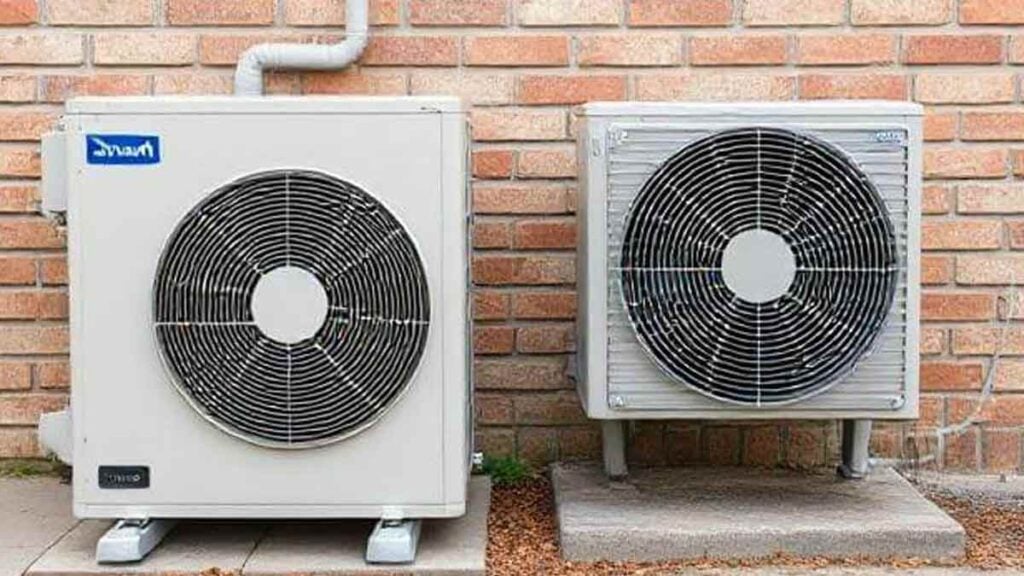
How to reuse AC water sounds like a tiny household trick, yet it can change the way you look at summer. Most people watch the drip from an air conditioner and think only of waste. That clear runoff feels forgettable, though it can help with chores all over the house. The secret is simple: collect it cleanly, use it wisely, and treat it as useful, not drinkable.
How to reuse AC water
Before you reuse AC water, know what it really is. It comes from condensation, not from a filtered drinking source. As warm air passes through the unit, moisture turns into liquid and drains away. That process removes mineral buildup, which explains why the water leaves fewer marks on glass or metal. Still, the inside of an air conditioner is no pristine spring. Dust settles there. Mold can settle there. Bacteria may settle there. That is why nobody should drink it or cook with it. Treat it like a helpful cleaning resource, not like bottled water. A bucket, bowl, or bottle can catch it easily under the drain pipe. Wash that container often, because stale standing water turns unpleasant fast. People searching for how to reuse AC water usually miss this first rule. Clean collection matters as much as clever reuse.
Easy Uses Around the House
Once stored safely, the water becomes handy in more places than most people expect. Start with the iron. Because the water holds almost no limescale, it helps prevent chalky streaks on clothes. Use it on mirrors too. Windows respond well. Shower screens respond well. The finish often looks clearer when no mineral trace dries on the surface. Car windows also benefit, especially if hard tap water usually leaves dusty circles after drying. Some people even use it for hair rinsing after boiling it briefly.
That extra step lowers hygiene worries and keeps the idea in safer territory. The same collected water can freshen floors, wipe tiles, or clean outdoor furniture. People asking how to reuse AC water often imagine one or two uses. In reality, the list keeps growing once you stop thinking only about the kitchen. None of these jobs need fancy tools. They need a cloth, a little time, and decent storage habits.
The Garden Question Everyone Asks
Plants create the one area where people need a bit more nuance. Yes, you can pour this water into pots or garden beds. Many plants will tolerate it just fine for occasional watering. Yet the water carries no useful minerals, and plants still need nutrition from somewhere. That means AC runoff works best as a supplement, not a full-time replacement. Mix it with tap water. Add fertilizer when needed. Pay closer attention to delicate herbs or fussy flowering plants. They tend to show weakness faster than tougher outdoor shrubs. If the runoff smells odd or looks cloudy, skip the garden entirely. People learning how to reuse AC water sometimes assume that pure-looking means perfect. Gardens rarely reward that kind of shortcut.
A Smarter Habit, Not a Miracle
The real value of this habit comes from regular, sensible use. It will not slash your bills, and it will not rescue the planet alone. It simply keeps clean water from going straight down a drain. That small shift feels practical, which is why it lasts. You collect a little. You use a little. Over weeks, the habit starts making obvious sense. Keep a dedicated container near the drain hose during hot months. Empty it before the water sits too long. Rinse the container often with soap and warm water.
Label it if other people share the house. That one step prevents confusion with drinking water. Families with children should be especially clear about that line. Good reuse always starts with safe boundaries. Once that part is settled, daily choices become much easier. Use the water for mopping when your floors need a quick refresh. Use it for wiping patio chairs after dusty afternoons. Use it for rinsing reusable cleaning cloths before a final wash.
Pour it into the toilet tank if you want another low-effort reuse. Save it for the steam iron when laundry starts piling up. Keep some aside for glass, chrome, and glossy surfaces. People exploring how to reuse AC water usually start with one simple trick. After that, they notice how many small tasks welcome mineral-free water. The method works best when expectations stay realistic. This is not sterile water. Nor is it food-safe water. And it is not a miracle cleaner. It is simply a useful byproduct from cooling the air. That distinction keeps the whole idea grounded. People sometimes overcomplicate frugal habits because simple answers look too modest. This one stays modest and still earns its place. In many homes, that is exactly the kind of habit worth keeping. You do not need a special budget. You do not need shelves full of gadgets.
You need attention, a clean container, and a little consistency. Those three things turn a summer drip into something genuinely useful. During humid weeks, some units produce more water than people expect. That makes the habit even easier to maintain. Store only what you can use soon. Fresh collection works better than old leftovers sitting in a warm corner. A simple routine keeps the whole system clean, safe, and pleasantly low effort. Once habits feel effortless, they usually survive beyond one season. That is the sweet spot at home.
That practical mindset also changes how people view household waste. Not every leftover resource deserves reuse, but some deserve a second look. Air conditioner water falls into that second category. People who ask how to reuse AC water often discover a bigger lesson. Useful habits are usually quiet, ordinary, and easy to repeat. They fit around real life. They ask for little effort. They reward attention over perfection. That is why this practice sticks once people actually try it. The water drips anyway. You may as well catch it. Better still, put it to work. By the time summer peaks, a once-ignored trick can feel completely normal. People returning to how to reuse AC water rarely do it for novelty. They do it because the method is easy, sensible, and quietly satisfying.