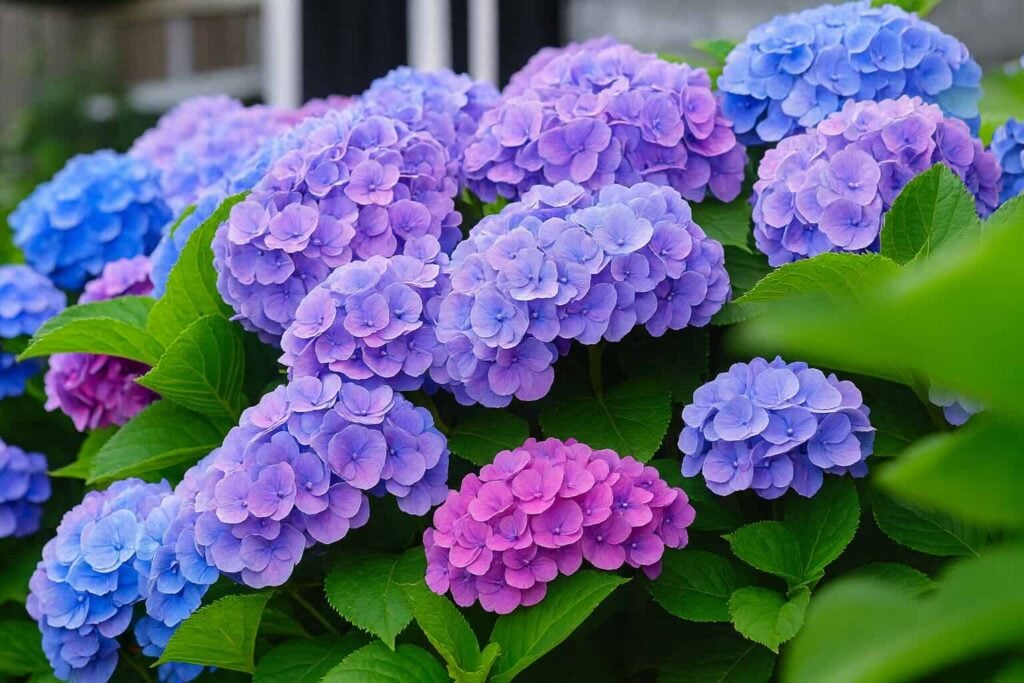
For generations, hydrangeas represented the gold standard of ornamental gardening. Their voluminous flower heads, ranging from deep cobalt to soft blush and ivory, made them the centerpiece of cottage gardens, formal borders, and suburban front yards alike. Few plants offered the same combination of visual drama and reliable seasonal performance. Today, that reliability is eroding — and professional gardeners across multiple climate zones are quietly updating their advice.
The shift is not happening all at once. It is gradual, garden by garden, season by season. But the direction is consistent. Hydrangeas, those beloved architectural shrubs that once seemed indestructible, are increasingly struggling to hold their ground against a climate that no longer suits them.
Climate Change as the Silent Adversary
Hydrangeas are, at their biological core, thirsty plants. They evolved in environments where moisture was generous and consistent — shaded woodland edges, humid valleys, and temperate coastlines where rainfall came reliably and temperatures rarely pushed into extremes.
Rising global temperatures are dismantling exactly the conditions these plants depend upon. Extended summer droughts, heat waves that arrive earlier and linger longer, and a measurable drop in atmospheric humidity are combining to create environments that hydrangeas simply were not built to withstand. In regions where they once flourished with minimal intervention, gardeners now report dramatic deterioration.
One nursery owner with decades of experience cultivating these plants described losing close to seventy percent of an established collection during the 2022 heat waves, despite daily watering throughout the crisis. The conclusion drawn was blunt: the climate no longer supports them the way it once did.
What makes the situation particularly frustrating is that shade — traditionally considered a partial solution — offers diminishing protection. Even hydrangeas sheltered from direct sun are suffering from the dry air that now characterizes summer months across previously temperate regions. The dehydration occurs not just through the roots but through the leaves themselves, as increasingly arid air draws moisture from plant tissue faster than roots can replenish it.
Reading the Warning Signs
The symptoms of hydrangea distress have become a familiar sight in gardens that once celebrated these plants as centerpieces. Leaves curl and crisp at the edges like paper held too close to a flame. Flowers that should hold their saturated color through late summer fade to a washed-out beige weeks before their natural decline. Stems droop despite staking, and entire branches die back without obvious cause.
Many gardeners initially attribute these signals to manageable problems — nutrient deficiencies, incorrect pruning, root competition, or pH imbalance. The underlying cause is more fundamental and less correctable than any of these. These plants are encountering a growing mismatch between their biological requirements and the environmental conditions they are now expected to inhabit.
Even varieties bred or marketed for improved resilience — including panicle hydrangeas, which tolerate sun better than their smooth-leaved relatives — are showing limitations under the combination of intense heat and reduced moisture. Drought tolerance, in horticultural terms, is always relative. A plant that copes better than average in a dry spell is not necessarily equipped to endure the escalating intensity of modern summer conditions.
The Paradox of Intensive Care
Perhaps the most discouraging pattern observed by gardeners determined to preserve their hydrangeas is what might be called the care paradox. In attempting to compensate for environmental stress through increased watering, many well-intentioned growers inadvertently create the conditions for a secondary wave of damage.
Overwatered or inconsistently watered soil — wet, then dry, then wet again — creates the ideal environment for fungal pathogens. Root rot, powdery mildew, and botrytis thrive in stressed plants whose immune responses are already compromised by heat exposure. The very act of trying to save the plant can accelerate its deterioration.
Specialized soil amendments, hydrating gels, and irrigation systems marketed as solutions to heat stress have delivered disappointing results for many gardeners who invested heavily in them. No product can fully recreate the naturally cool, humid microclimate that hydrangeas evolved to occupy. One gardener, after spending several hundred dollars on a dedicated drip irrigation setup, described watching the entire planting wither before August had ended.
A New Design Philosophy Takes Root
In response to these mounting challenges, a growing number of professional landscapers and garden designers are steering clients toward what they describe as climate-appropriate planting — selecting species not for nostalgic or aesthetic reasons alone, but for genuine environmental compatibility.
Lavender brings structural beauty and silvery foliage that performs reliably under drought conditions. Ceanothus — sometimes called California lilac — produces vivid blue flower clusters with a fraction of the water demand. Russian sage offers height, movement, and a long flowering season that extends well into autumn. Ornamental grasses bring texture and seasonal interest while thriving on natural rainfall alone in most temperate regions.
The philosophy driving these recommendations is practical rather than sentimental. As one landscape architect specializing in sustainable garden design explained, the focus is shifting toward plants that genuinely thrive rather than plants that merely survive from season to season with intensive support. Within that framework, the aesthetic possibilities remain genuinely expansive. Climate-adaptive planting does not mean sacrificing beauty. It means redirecting energy toward plants that return it.
Remarkable Varieties Worth Discovering
For gardeners not yet ready to abandon hydrangeas entirely, some varieties do demonstrate greater adaptability than others. Hydrangea paniculata cultivars such as Limelight and Quick Fire tolerate sun and brief dry spells better than most, making them viable choices in regions with moderate summer temperatures. Hydrangea arborescens, commonly known as smooth hydrangea, also shows reasonable resilience in cooler northern gardens where heat waves remain relatively short. In specialized microclimates — north-facing slopes, walled courtyards with reliable shade, or gardens near bodies of water — these varieties may continue to perform well for years.
The key is honest assessment of local conditions rather than optimism about what a particular cultivar promises on its nursery label.
Ecological Ripple Effects
The decline of hydrangeas in domestic gardens carries consequences beyond the aesthetic. These plants, when healthy, support a modest but meaningful range of pollinating insects, particularly bumblebees attracted to their accessible flower clusters. Their dense foliage also provides shelter for small invertebrates and nesting opportunities for certain bird species.
Replacing hydrangeas with genuinely climate-adapted flowering plants — particularly native species or those with high pollinator value — can actually enhance a garden’s ecological contribution rather than diminish it. Lavender, for instance, is a far more powerful magnet for bees and butterflies than most hydrangea varieties. Ceanothus supports specialist native bee species in regions where it grows naturally. The ecological transition, managed thoughtfully, represents an opportunity rather than a loss.
Thinking About Winter and Regional Variation
Gardeners in colder northern regions face an additional consideration. While hydrangeas in these areas are less vulnerable to summer heat stress, they remain exposed to the increasingly erratic winter conditions produced by a changing climate. Freeze-thaw cycles that occur more frequently and unpredictably than in previous decades damage dormant buds, particularly on varieties that bloom on old wood. A warm spell in February followed by a hard frost in March can eliminate an entire season’s flowering in a single night.
In mild coastal climates, where winter temperatures rarely threaten established plants, hydrangeas may continue to perform adequately for some years yet — provided summers remain cooler and more humid than the continental interior. But even in these favored locations, the trend lines point in a consistent direction.
Moving Forward With Eyes Open
Releasing an attachment to hydrangeas is not a small thing for gardeners who have grown them for years or decades. These plants carry associations — family gardens, summer holidays, the particular blue of a remembered border — that go beyond horticulture. The decision to stop planting them, or to replace existing specimens, involves a kind of practical grieving.
What lies on the other side of that adjustment, however, is a garden that works with its environment rather than against it. A planting scheme built around climate-adapted species demands less intervention, wastes less water, and produces less frustration across the seasons. The energy previously devoted to keeping struggling plants alive becomes available for observation, creativity, and genuine enjoyment.
Tomorrow’s most beautiful gardens will not be the ones that managed to preserve the past under increasingly difficult conditions. They will be the ones that understood what the present required and responded with both intelligence and imagination.