How to store eggs properly sounds like a tiny kitchen detail, until you toss out half a carton too soon. Most people slide eggs into the fridge door and never think twice. That habit feels harmless, yet it quietly works against freshness. A few small changes keep eggs safer, cleaner, and far more dependable through the week.
How to store eggs properly
Eggs look sturdy, though they react fast to heat changes, moisture, and whatever sits around them. That is why storage matters before cooking even begins. A good egg can lose freshness faster than people expect when its environment keeps shifting. The shell helps, though it does not make the egg invincible. It stays slightly porous, which means odors and bacteria deserve more respect than most kitchens give them. Many shoppers notice eggs sitting unrefrigerated at the store, then rush them into the cold at home. That instinct makes sense. Once eggs have been chilled, steady refrigeration gives them their best chance of lasting well. The trouble starts with where they land after that.
The fridge door seems convenient because it offers molded egg slots and easy access. It also happens to be the least stable spot in the whole appliance. Every opening brings warm air across the shells. Every closing cools them again. Those swings wear down quality over time. Anyone learning how to store eggs properly should begin with that single fact. Consistency protects freshness better than convenience. A stable shelf inside the main body of the refrigerator does more good than the prettiest door rack ever will. That small relocation already fixes one of the most common mistakes people make without noticing it.
Leave the Door Out of It
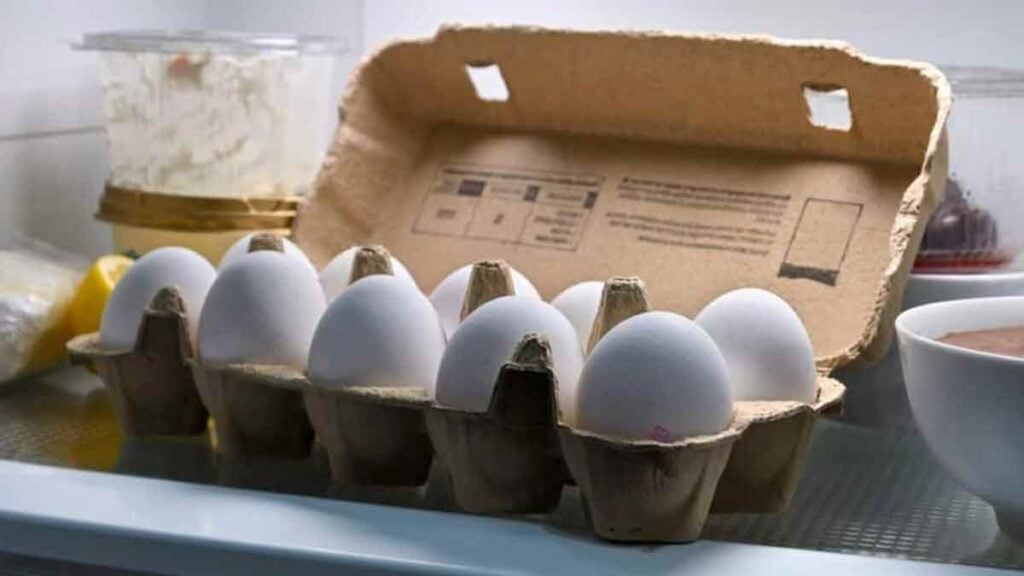
The middle shelves usually offer the calmest temperature, which is exactly what eggs prefer. They do better away from the door, away from repeated movement, and away from warm kitchen drafts. A colder, steadier zone slows spoilage and keeps the texture more reliable for cooking. That matters whether you fry them, poach them, or whisk them into a cake. Fresh eggs hold their structure better in every case. People often ask whether the original carton should stay or go. The answer depends on what you value most: convenience or cleanliness. Cardboard cartons protect the shells during transport, though they can also carry grime from storage and handling. That does not mean every carton is filthy.
It means the surface is not the cleanest thing in your refrigerator either. If you want a tidier setup, move the eggs into a clean, sealed container once you get home. That step helps shield them from strong smells, accidental spills, and the clutter of a busy shelf. It also makes how to store eggs properly feel less like vague advice and more like a daily routine. A dedicated container keeps everything simple. You see what you have, you wipe the box if needed, and you stop leaving food safety to chance. Some people prefer the carton because it shows the date. That is easy to solve. Write the purchase date on the container lid and keep moving. Practical systems last longer than perfect ones.
Clean Storage Beats Fancy Storage
There is no need for an expensive organizer with clever labels and sliding trays. A plain food safe container works beautifully if it closes well and fits the shelf. Glass works. Sturdy plastic works too. The point is not style. The point is protection. Eggs stored in a sealed box stay away from leftover onion smells, sauce splashes, and random crumbs. That simple barrier matters more than people think. Because shells are porous, they can absorb nearby odors over time. Nobody wants scrambled eggs that hint at last night’s garlic pasta. Clean storage also makes breakage less likely when the fridge gets crowded. A stable container keeps the eggs from rolling into bottles, jars, and whatever else lives nearby. That kind of order helps you use food before it gets forgotten.
Another useful detail involves placement inside the container. Store eggs with the pointed end facing down if possible. That position helps keep the yolk centered and the internal structure steadier. It sounds fussy, yet it has practical value when freshness matters. People serious about how to store eggs properly often follow that habit because it costs nothing and makes sense. There is one thing not to do. Do not wash the eggs before refrigerating them. Moisture can weaken the natural protective layer on the shell. If an egg looks dirty, clean it right before use instead. That timing protects the shell during storage and keeps the job nicely contained to cooking time.
The Small Checks That Save Waste
Buying carefully helps just as much as storing carefully. Choose eggs from a source you trust and check the date before putting the carton in your basket. Open the box and scan for cracks. That quick look can spare you a mess at home and a shorter shelf life later. Once the eggs are in your kitchen, keep them cold and leave them there. Repeated trips from counter to fridge do them no favors. If you bake often, take out only what you need and return the rest right away. That discipline becomes second nature after a while. People who learn how to store eggs properly usually notice something else too: they throw away fewer eggs.
Freshness lasts longer when temperature stays even and storage stays clean. That means less waste, fewer bad surprises, and less money slipping away through neglect. A quick freshness check also helps when you forget how long the container has been sitting there. Crack one into a separate bowl before adding it to a recipe. That extra step protects the whole dish if something smells off. For whole eggs still in the shell, a float test in water can offer a rough clue. A very old egg tends to stand up or float higher because air builds inside. The method is useful, though smell and appearance still matter most after cracking. Good habits do not need drama. They need repetition.
A Better Place for an Everyday Staple
Eggs are ordinary, which is exactly why people overlook them. They sit in almost every kitchen and ask for very little attention. Still, ordinary food deserves decent care. Once you understand how to store eggs properly, the whole thing becomes pleasantly simple. Skip the fridge door. Use a clean sealed container. Keep the eggs cold, dry, and away from strong odors. Do not wash them before storage. Check for cracks before buying and use the oldest first. That is really the heart of it. The best kitchen routines rarely feel dramatic.
They just make daily life smoother and safer without stealing extra time. Eggs reward that kind of quiet consistency. They stay fresher for breakfast, bake better on Sunday, and stop turning into avoidable waste by midweek. One shelf change can do all that. For such a small habit, that is a pretty satisfying return.