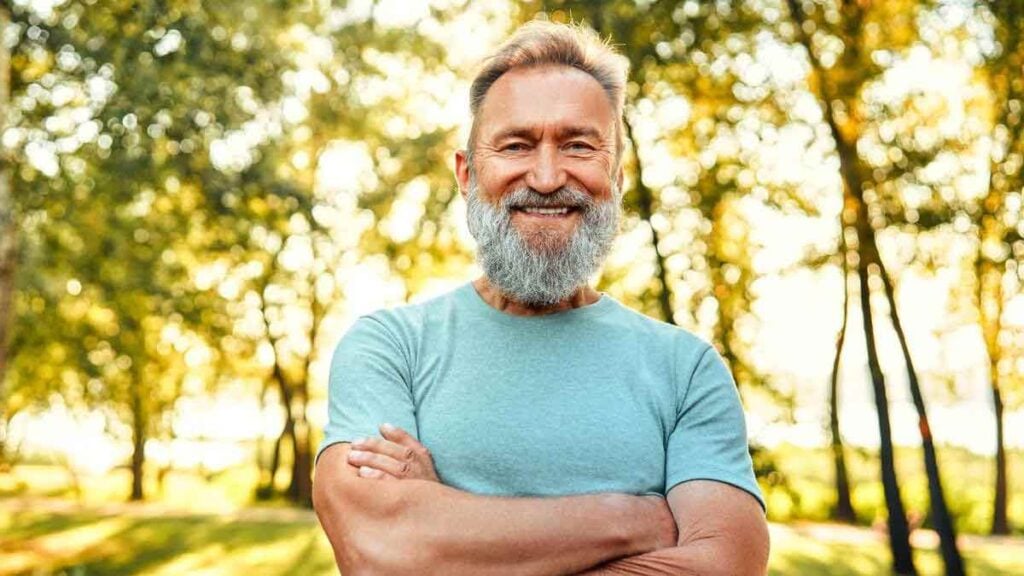
Best exercise for seniors is rarely the loudest option in the room. After sixty, the body responds better to movement that builds steadiness, ease, and confidence. That is why gentle martial arts deserve far more attention than they usually get. They train balance, focus, breathing, and strength without turning exercise into punishment.
Why This Works
When people hear martial arts, they often imagine impact, speed, and bruised pride. The versions that suit older adults look nothing like that picture. Tai Chi moves with softness and control. Aikido teaches redirection instead of collision. Wing Chun relies on compact motion rather than dramatic kicks. Even adapted Jiu Jitsu can focus on awareness and positioning, not force. This matters because aging changes the deal the body makes with effort. Joints ask for kindness. Recovery asks for patience. Balance asks for practice. Gentle martial forms answer all three needs at once. They build leg strength through repeated shifting and standing.
This wakes up the core through posture and breath. They sharpen coordination through slow sequences that ask the brain to stay present. That mix explains why many call them the best exercise for seniors who want more than calorie burn. A walk helps the heart on most days. A class like this helps the whole system feel organized again. People sleep better when the nervous system stops living on alert. They move better when confidence returns to the hips, knees, and feet. That change looks small at first. Then it starts showing up everywhere.
Best exercise for seniors
What makes these disciplines unusual is the way they train the mind at the same time. Most workouts ask you to repeat effort. Martial practice asks you to pay attention. Next come patterns. Later come shapes. Soon you notice where your weight lands and where your breath catches. That mental layer matters after sixty because sharpness does not live in crossword puzzles alone. The brain likes movement that carries rhythm, sequence, and choice. A slow form can work memory, timing, and reaction without feeling clinical. It also gives older adults something many exercise plans forget to offer: dignity. Nobody needs to sprint to prove they are alive.
Nobody needs aching joints to feel disciplined. In the right class, people stand taller because the work feels skillful, not punitive. That feeling changes motivation. Someone who dreads the gym may look forward to practice. Someone who fears falling may trust the ground again. Researchers and therapists keep returning to these methods for that reason. They Support Mobility While Calming the Mind. For many people, that is enough. It makes them the best exercise for seniors guarding independence, mood, and clear thinking together.
More Than Muscles
There is another reason these practices stay with people. They create community without forcing performance. A walking plan can feel lonely after a few weeks, a weight room can feel intimidating. A martial arts class gives everyone the same floor, the same pace, and the same shared learning. Older adults often carry more isolation than they admit. Retirement changes structure. Children move away. Friends get sick, relocate, or vanish into busy family lives. Class becomes more than exercise when names get remembered and progress gets noticed. That social thread supports health in quiet ways. People show up more regularly when someone expects them. They laugh more easily when learning includes small mistakes. Members speak with more confidence when the room feels welcoming.
The emotional piece matters because stress ages the body just as surely as inactivity. Slow Movements Reduce Tension Through Breath and Repetition. They also create a safer way to release fear about falling, weakness, or decline. That is why many coaches call them the best exercise for seniors who want steadiness, not spectacle. The benefits spill into ordinary days. Grocery bags feel lighter when posture improves. Stairs feel less hostile when leg control comes back. Sleep deepens when the mind stops spinning at bedtime. Even mood can lift when a person feels capable inside their own body again. Fitness after sixty is not about chasing youth or performance. It is about keeping access to your life.
Starting Without Making It Weird
The hardest part is usually starting, not learning. Many older adults reject martial arts before they ever see a good class. The name sounds too aggressive. The images feel too young. The truth is far more ordinary and far more inviting. A well taught beginner session may look like breathing, turning, stepping, and standing with care. That is exactly why it works. You Don’t Need a Dramatic Origin Story. You need a chair nearby, a patient instructor, and permission to begin where you are. A doctor should always guide people with medical concerns, pain, dizziness, or recent injuries. After that, the next decision is practical. Find a teacher who understands aging bodies. See whether the class welcomes beginners. Ask whether movements can be adapted for knees, hips, or balance issues. Watch one session before joining. Good instruction feels calm, clear, and observant. Nobody should rush you.
A class lets caution and curiosity share the same space without embarrassment, pressure, or displays from anyone. Pain should never serve as proof of effort. The goal is not to impress the room. Better goals should leave you stronger than you arrived. That is why the best exercise for seniors often respects limits while quietly expanding them. Progress can mean standing more securely in the kitchen. Sometimes that means getting up from the sofa without that familiar grimace. It can mean sleeping through the night, carrying bags with ease, or feeling less afraid in crowded places.
Those changes matter because they protect independence, which is what most people really want. The best exercise for seniors should help life feel larger, not smaller. Martial arts can do that with unusual grace. They ask for attention, but not punishment. And they build skill, but not vanity. They offer discipline without harshness. In a culture that sells exhaustion as virtue, that is a rare gift. After sixty, the smartest training does not fight the body. It teaches the body how to trust itself again at last.