Lost bitcoin landfill stories sound made up until one careless moment turns into a lifelong echo. A tossed hard drive, a buried fortune, and twelve stubborn years of hope can do that. What began as a private mistake grew into a public obsession with money, memory, and second chances. Now the search has changed shape, and the story feels bigger than the hard drive itself.
Lost bitcoin landfill
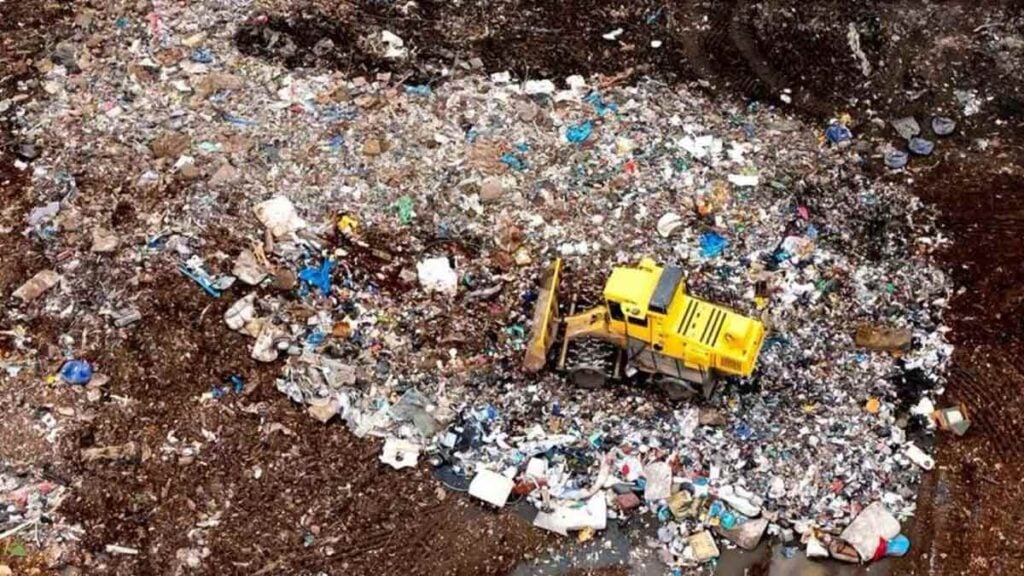
James Howells made the kind of mistake most people replay for a weekend, not for a decade. He threw away the wrong drive in 2013, back when eight thousand bitcoins felt nearly disposable. Years later, that vanished little object came to represent a fortune large enough to distort ordinary life. Courtrooms heard his arguments, lawyers built plans, and engineers imagined excavation maps across the landfill. Nothing really moved. The practical obstacles stayed grim from every angle. Digging through years of compacted waste would cost a fortune before anyone touched the right patch.
Rules around contamination, machinery, and public safety kept pushing the dream back into paperwork. Even a legal win would not have guaranteed a clean ending. He still would have needed luck, money, timing, and almost unbelievable precision. The judge eventually called the case unrealistic, which sounded polite and final at the same time. That ruling closed one door, though it never buried the obsession underneath it. Stories like this refuse to stay quiet because they strike a raw human nerve. Everyone understands the sick feeling of losing something valuable through one tired, careless decision. This version just happens to wear the scale of legend, and that keeps people staring. That is why the phrase lost bitcoin landfill has lingered like folklore with a court file attached.
When Cameras Changed Everything
The turning point did not come from a new judge, a new investor, or a miracle machine. It came from storytelling. An American production company stepped in and bought exclusive rights to tell his search on screen. The series promises documentary detail, dramatic reconstruction, and a broader look at cryptocurrency culture. That Shift Matters More Than You Think. A lawsuit asks for permission. A film asks for attention. Attention can alter the weather around a story, especially when the public starts rooting for it. Before the deal, he looked like an eccentric man chasing yesterday through rubbish. After the announcement, he looked like the center of a real life treasure hunt.
That difference sounds cosmetic, yet public framing changes what institutions feel forced to reconsider. Nearly two hundred proposals reportedly arrived once the project became public, along with sponsors and collaborators. Suddenly, the lost bitcoin landfill story carried momentum that no filing ever created. People could picture the mound, the drive, the years, and the absurd scale of the gamble. That image sticks harder than legal language. Once viewers attach emotion to a chase, the chase gains a strange kind of leverage. Local officials may not bend because of drama alone, yet public fascination can change the tone. At the very least, the documentary gives his fight a final stage before the landfill closes. It turns a weird old mistake into a ticking story with an ending people want to witness.
Obsession Meets Public Curiosity
There is another reason this case keeps gripping people, and it has little to do with crypto. It plays on obsession, regret, and the fantasy of fixing the one mistake that never lets go. Most people have their own tiny version of that ache. They sent the wrong email, sold the wrong record, or gave away the wrong box. His version is simply bigger, louder, and priced at a level that breaks normal thought. The documentary will likely lean into that tension, because tension is what keeps viewers returning. Will he ever touch the drive? Could the hardware even survive? Would the data still be recoverable after years underground? Nobody can answer those questions with confidence, and that uncertainty gives the whole saga its bite. The lost bitcoin landfill idea works almost like myth because it blends technology with mud and chance. That contrast feels irresistible.
Digital money seems weightless. A landfill feels brutally physical. Put them together, and the story gains texture that pure finance never could. Viewers are not only following a man. They are following a collision between modern wealth and old fashioned waste. That collision makes the chase feel both ridiculous and strangely noble. He is not just searching for money now. He is defending the meaning of twelve stubborn years. That makes the audience lean closer, even when they suspect the ending may still disappoint. In stories like this, hope becomes part evidence and part performance anyway.
What Happens Before Closure
The landfill is expected to close in 2026, which gives the whole story a visible horizon. The clock is ticking. They force decisions that open ended battles can postpone forever. For Howells, that means the next move matters more than ever. The series cannot magically suspend regulations or reverse years of rejection. It can, though, gather attention at exactly the moment attention carries the most value. That may influence conversations around access, funding, and public support. At minimum, it gives him a different kind of victory. He has already turned the lost bitcoin landfill saga into a cultural object that outlives the lawsuit. That matters because stories can rescue meaning when facts refuse to cooperate. A lost drive may never return.
The years spent chasing it can still become something legible, sharable, and strangely useful. People watching may see more than spectacle. They may see a lesson about technology, carelessness, ego, and the stubborn refusal to surrender. Everyone has a private landfill somewhere. Most of us just never assign a price to it. That is why the lost bitcoin landfill story keeps breathing after the courtroom air went cold. It is no longer only a search. It is a mirror for ambition, regret, and the weird afterlife of mistakes. Whether he finds the drive or not, the ending now belongs to more than him.