How to clean wood kitchen cabinets sounds dull until sticky doors and cloudy panels start changing the whole room. A kitchen can feel tired long before anything actually breaks. Grease settles quietly, steam softens the finish, and dust clings to every film left behind. Good cleaning brings the wood back without stripping its color, its warmth, or its lived in charm.
How to clean wood kitchen cabinets
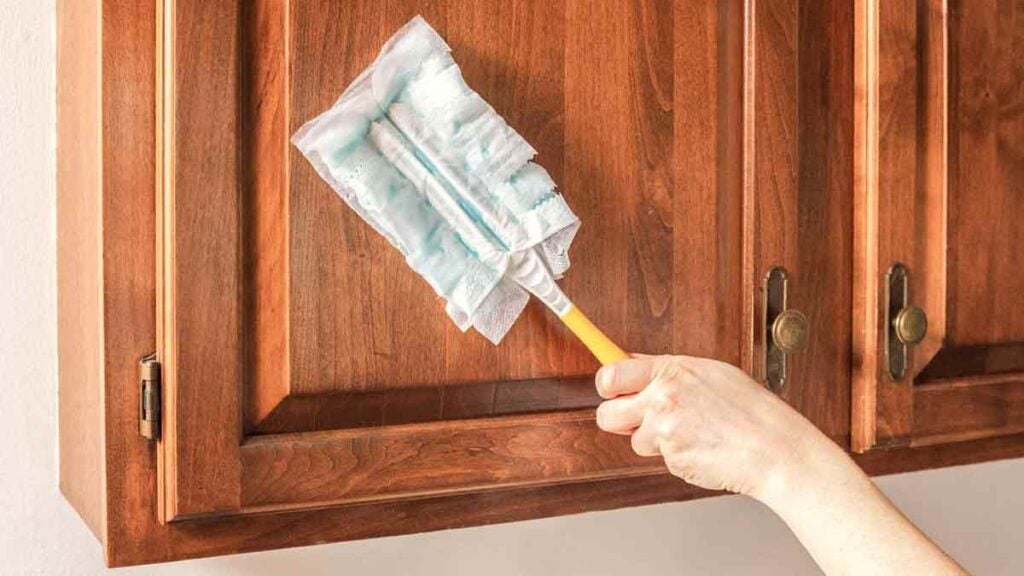
Wood cabinets age well when you treat dirt before it hardens into grime. That means light weekly care, not frantic scrubbing twice a year. A damp microfiber cloth usually handles the film that gathers near handles and hinges. The cabinets near the stove need the most attention because cooking sends grease upward all day. Busy corners by the trash, sink, and refrigerator also collect fingerprints faster than people expect. Gentle habits matter here because wood absorbs moisture even when the finish looks strong. Too much water can swell panels, dull the coating, and leave tiny cracks over time. Painted cabinets need the same caution because abrasive pads can scratch away the soft sheen. That is why people who learn how to clean wood kitchen cabinets stop reaching for harsh sprays.
Strong cleaners may cut grease fast, yet they can roughen the surface in the process. A softer method takes longer by minutes and saves trouble for years. Start there, stay patient, and let consistency do most of the work. The cabinet finish will thank you with a steadier color and a smoother touch. That quiet shine always looks better than the forced gloss from aggressive polishing. Clean wood should feel cared for, not stripped and overworked.
Start With The Safest Mix
Dish soap remains the easiest place to begin because it loosens grease without bullying the wood. A few drops in warm water are enough for most ordinary buildup. Dip a soft cloth or sponge, then wring it nearly dry. The goal is contact, not soaking. Wipe along the grain whenever you can because the motion feels gentler and looks better. Use a toothbrush around carved details, corners, and the grime that settles near hardware. Rinse with a separate damp cloth so no soap stays behind. Dry each area right away with another towel. That final pass matters more than people think.
For stubborn grease, add a little white vinegar to the soapy water. Test that mix first because some finishes react badly after years of heat and wear. Once the surface is clean, a small touch of wax or polish helps. Beeswax works nicely. A drop of oil can work too, though restraint matters. You want a light shield, not a sticky coating that traps tomorrow’s dust. People searching how to clean wood kitchen cabinets often overcomplicate this stage. In truth, the best routine feels almost boring. Gentle wash, careful rinse, full dry, small polish. That sequence solves more than an overflowing shelf of products. It also keeps the room smelling like a kitchen instead of a laboratory.
Dry Matters More Than People Think
Fresh spills deserve speed because sugar, oil, and sauce stain wood faster than most people think. Wipe them right away with a barely damp cloth. Dry the spot before you walk off. That small habit prevents the deeper marks that invite rough scrubbing later. Crumbs inside cabinets need attention too because trapped grit keeps grinding against the finish. A quick vacuum with a brush attachment solves most of that mess. Shelf liners help if you want easier cleanup after spices tip or oil leaks. Wax paper on top cabinets can catch the grime nobody sees. Swap it when it looks dull. Use the range hood whenever you cook because grease always travels farther than you imagine. A lid or splatter screen also saves the doors nearest the stove.
These are the quiet habits behind lasting results. That is another part of how to clean wood kitchen cabinets people often miss. Cleaning works better when the room stops feeding the mess. For stains that survive washing, make a loose paste from baking soda and water. Brush it on gently and let it sit a few minutes. Lift it away with a damp cloth and dry the area well. The paste can ease stubborn marks without attacking the wood underneath. Still, test hidden spots first. Old finishes sometimes surprise you.
Habits That Keep The Shine Longer
Some cabinets look worn when they are really just thirsty for steadier care. Wood responds to rhythm. Regular light cleaning protects better than rare heroic cleaning. That idea sounds unromantic, though it keeps the grain richer for longer. People who master how to clean wood kitchen cabinets usually change their habits before their products. They stop slamming doors with wet hands after washing dishes. They notice the greasy fingerprints beside pulls and wipe them before dinner ends. They keep one clean cloth nearby because convenience decides whether a routine survives. A folded microfiber towel in a drawer makes quick touch ups easy.
That small setup matters on busy weekdays. If your cabinets already feel sticky, do not attack them in one marathon. Clean one section at a time and finish each piece fully. That slower pace prevents streaks, missed soap, and damp corners. It also makes the job less annoying. Wood care is easier when it feels manageable. Many people ask how to clean wood kitchen cabinets after the grime becomes impossible to ignore. The smarter moment comes weeks earlier. A five minute wipe each week beats a long weekend rescue. That is the real secret.
Shine lasts longer when grease never gets comfortable enough to settle. Once the surface feels smooth again, the whole kitchen looks calmer and brighter. People notice that difference even when they cannot name it. Clean cabinets frame the room like polished shoes finish an outfit. They never beg for attention, though they quietly improve everything around them. That is reason enough to clean them well and treat them gently. Even older cabinets can recover beautifully when the method stays gentle and the drying stays thorough. The goal is not perfection. You want a kitchen that feels cared for every ordinary day. Nothing flashy.