Gardening advice often starts with what you nearly throw away before breakfast. That is why spring rewards the observant gardener more than the lavish shopper. A flower bed stays calmer when small problems get handled before roots take over.
Grass looks innocent at first, yet it drains water, steals food, and crowds tender blooms. That is why early action matters more than dramatic rescue later. One stray clump can scatter seed, creep sideways, and return after a hurried cleanup. Most gardeners know that annoyance. The lawn sulks all season, while the flower border suddenly grows thick, glossy, and wildly confident. You do not need expensive fixes for the first round of control. You need steady habits, clean edges, and a little nerve. The best approach mixes prevention, removal, and a few low mess treatments. That mix protects flowers without turning the whole bed into a casualty. A good plan also saves time because grass never fights fair once it settles. It hides roots under mulch, slips between perennials, and pretends to belong. Ignore it for two weeks, and the job doubles. Catch it early, and the bed stays yours. That simple timing rule makes every other method work better. From day one.
Make Cheap Pots First
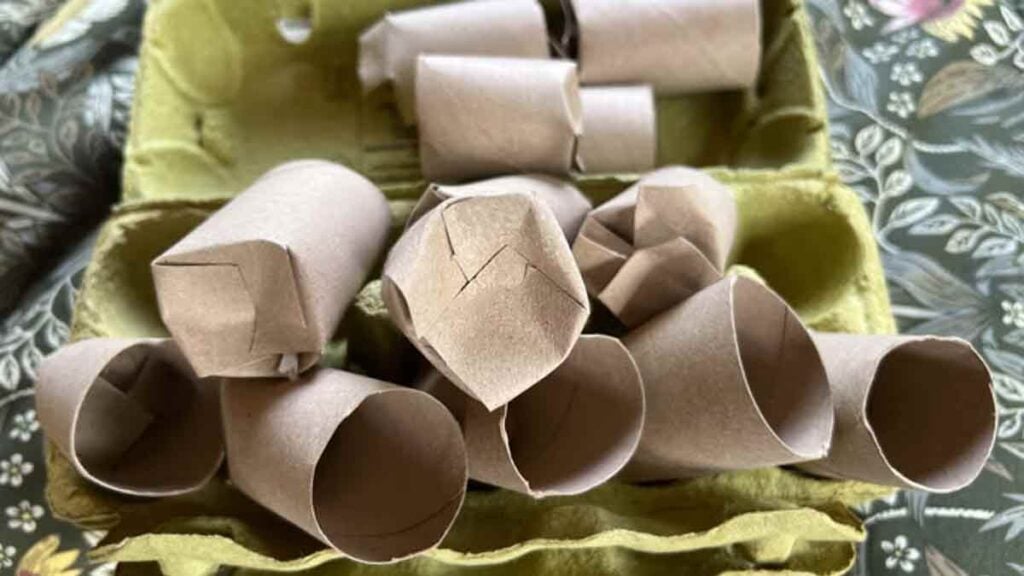
Cardboard toilet rolls make useful seedling pots when spring weather still feels a little undecided. Each tube gives roots a narrow start and enough shelter for the first stretch. That shape suits peas, sweet peas, beans, and many quick flowers. Fill the rolls with compost, press lightly, water gently, and sow your seeds. Keep them in a tray so they stand upright and stay easy to move. When the seedlings gain strength, plant the whole tube into a larger pot or bed.
The cardboard softens underground and disturbs roots far less than rough transplanting. That quiet benefit matters because young plants hate sudden disruption. Among smart gardening advice, this trick earns love because it costs almost nothing. It also turns household waste into something practical before the bin ever sees it. Children like it too, which helps when you want them near the garden. The project feels simple, tactile, and forgiving. A failed seed costs almost nothing, and the lesson still stays valuable. That ease builds confidence faster than fancy equipment ever could. Save the driest rolls through winter, and you will have a tidy stack ready by sowing time. Small habits often launch better gardens. This one starts cheaply and well.
Gardening advice
Compost gives those same rolls a second useful life once seedlings leave the tray. Tear them into strips, crush them by hand, or drop them in whole. Dry cardboard feeds the brown side of the pile and balances wetter scraps. That balance keeps compost from turning dense, sour, and stubborn. Kitchen peelings bring moisture, while paper fiber keeps air moving through the heap. Worms love that mix because it stays loose and easier to travel. Microbes work faster too, which means less smell and quicker breakdown. Good compost rarely comes from drama. It comes from layering the right things in a steady rhythm.
That is where gardening advice gets more useful than product labels. A plain cardboard tube may look trivial in the bathroom. In compost, it becomes structure, airflow, and future food. Store bought soil improvers can help, yet homemade compost builds a deeper kind of resilience. Beds hold moisture better after repeated additions, and roots explore more freely. Flowers often bloom longer in that softer ground. Even the act of saving small scraps changes how you see waste at home. Nothing gets glamorous here, though the payoff feels real by midsummer. The heap grows richer with every saved roll. Over one season.
Blocking Grass Before It Creeps
The easiest grass to remove is the grass that never crosses into the bed. A firm edge interrupts roots before they wander under mulch and between crowns. That simple border saves hours later. Start with a sharp spade and cut a straight trench along the bed line. Angle the second cut toward the first so nearby roots get severed cleanly. After that, add steel or plastic edging deep enough to slow fresh invasion. Steel lasts longer and stands up well to string trimmers and hard weather. Plastic bends around curves more easily and costs less at the start.
Both can work if you install them with care and keep the line clean. This part of gardening advice sounds dull, yet it prevents repeated battles. Prevention rarely feels exciting on Saturday afternoon. It feels brilliant six weeks later. A clean edge also makes the whole garden look calmer, even before flowers open. That visual order helps you notice fresh problems while they stay small. Once grass mats itself through perennial roots, every fix gets slower and touchier. An edge will not solve everything, though it buys you precious time. That is often the difference between upkeep and frustration. Across one season alone.
When Hands and Heat Help
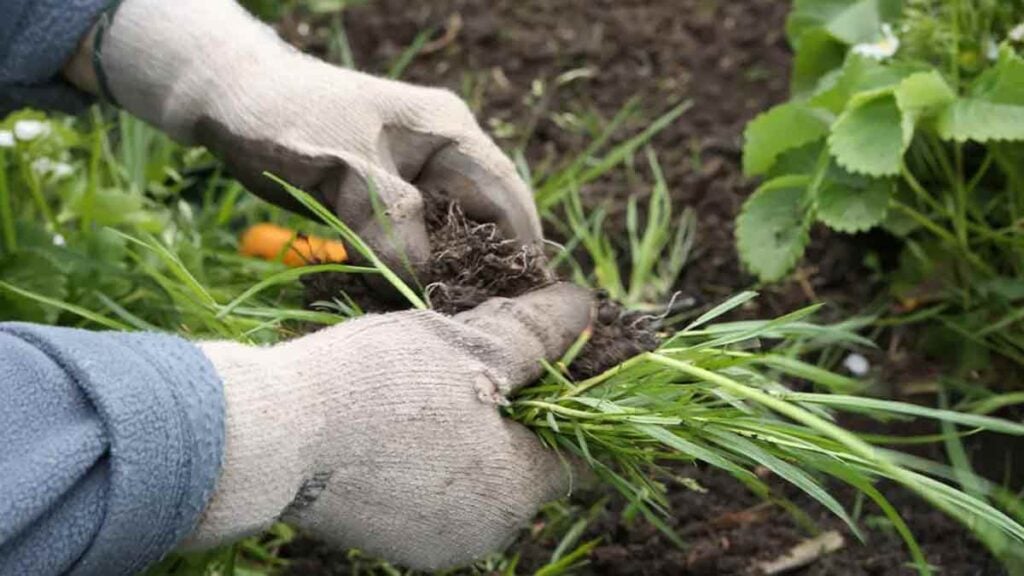
When grass already tangles through established flowers, the gentlest answer is often your own hand. Use a trowel, hoe, or narrow fork to loosen the soil before pulling. Lift slowly so the longest roots come away in one piece. Small fragments left below can restart the whole nuisance. That is why patient digging beats rushed yanking every time. For isolated shoots, boiling water can scorch roots without leaving residue behind. Aim carefully, because nearby stems will not forgive a careless pour. Cleaning vinegar can also burn young blades when sprayed directly on them. That method needs repeat visits after rain or irrigation.
Roots sometimes survive the first hit and push back quickly. For empty ground that you plan to rework, clear plastic offers another path. Sunlight trapped under the sheet cooks the turf and weakens buried roots. That solar trick suits bed making better than rescue work around living plants. The last piece of gardening advice is less glamorous and more dependable. Check beds often and act early. Regular attention beats heroic effort. That truth sits at the heart of good gardening advice. A few minutes each week keeps grass from settling in and stealing the show from flowers. All season.