
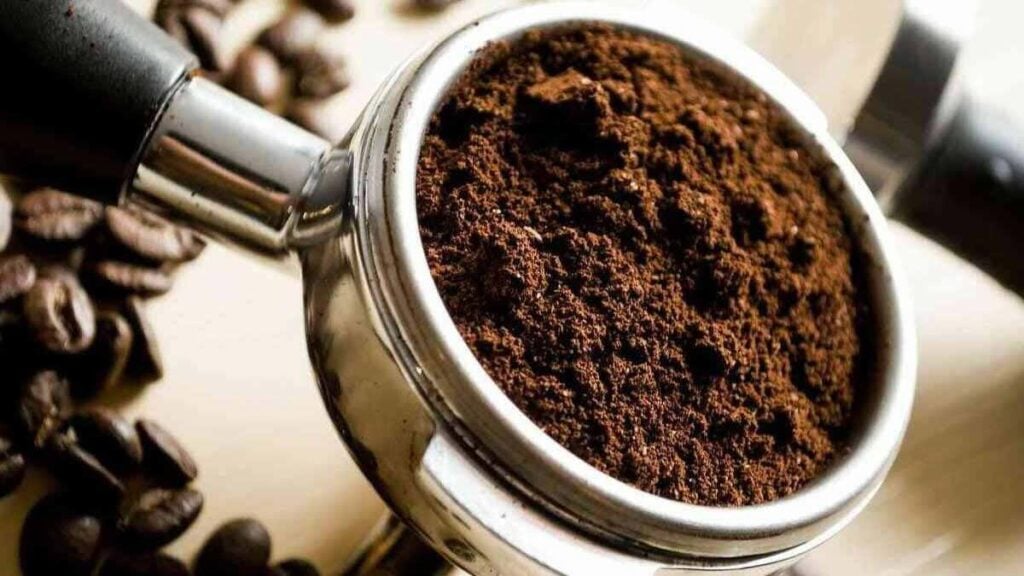
Every morning, millions of households produce a small pile of spent coffee grounds and send it straight to the bin. It looks like unremarkable kitchen waste — dark, damp, faintly aromatic, and apparently useless once the coffee has brewed. Experienced gardeners know better. Those discarded grounds carry real value. They enrich soil, feed plants, deter pests, and support the living ecosystem beneath the surface. The distance between the kitchen bin and the garden bed is worth crossing.
What Coffee Grounds Actually Contain
The nutritional profile of spent coffee grounds is more impressive than their origin suggests. They carry significant nitrogen — one of the three primary nutrients plants need for healthy growth — alongside meaningful quantities of phosphorus and potassium. Together, these three elements support everything from root development to flowering and fruiting. Coffee grounds also deliver trace minerals including magnesium and copper, which play quieter but important roles in plant metabolism.
What makes coffee grounds especially useful is how they release those nutrients. Synthetic fertilizers flood the soil with compounds plants absorb quickly but that also wash away fast. Coffee grounds break down slowly instead. They release nutrients over an extended period, providing a steady feeding effect that matches the natural rhythm of plant growth. Container plants benefit from this particularly well, since watering removes nutrients from pots quickly.
The structural benefits go beyond nutrition. As coffee grounds decompose, they stimulate microbial activity — the biological engine that drives healthy soil. Earthworms are drawn to coffee ground additions with real enthusiasm. Their activity aerates compacted soil, improves drainage, and speeds up the breakdown of organic matter into forms plant roots can absorb. Adding coffee grounds does not just feed plants directly. It builds the living system that makes the whole soil more productive.
A Natural Deterrent Worth Knowing About
Coffee grounds also work as a practical pest barrier. The combination of texture and scent puts off a surprising range of unwanted visitors. Slugs show a strong reluctance to cross a layer of grounds. The coarse surface is uncomfortable for their soft bodies, making a ring of grounds around a vulnerable plant a simple, chemical-free line of defence.
Ants tend to avoid treated areas too, and so do cats — a welcome side effect for gardeners whose beds regularly serve as outdoor litter trays. For plants prone to aphid attack, coffee grounds used as part of a broader natural strategy add useful protection without introducing any synthetic compounds.
The Plants That Respond Most Enthusiastically
Not all plants respond equally to coffee grounds. Knowing which species benefit most helps gardeners direct this resource where it will do the greatest good.
Rose bushes respond with particular enthusiasm. The nitrogen boost encourages vigorous new growth and abundant flowering. It also strengthens the plant’s natural disease resistance. Rose growers who work grounds into their regular feeding routine often report noticeably improved bloom density and foliage quality, especially when they time applications to the main growing season.
Acid-loving plants form another category where coffee grounds deliver striking results. Hydrangeas treated with grounds in alkaline soils develop more intensely blue flower heads. The added acidity shifts soil pH in a direction that affects aluminum uptake, which in turn changes bloom pigmentation. Rhododendrons, camellias, and blueberries all share this preference for acidic conditions and respond well to modest regular applications. In gardens where natural soil leans alkaline, coffee grounds offer a gentle and cost-free corrective.
In the vegetable garden, the list of beneficiaries is broad. Tomatoes, potatoes, and aubergines all grow with greater vigor when grounds go into their planting medium. Leafy crops including lettuce and chicory develop fuller, more substantial foliage. Cucumbers and courgettes tend to produce more abundantly. Broccoli and other brassicas show measurable positive responses too.
Among houseplants, ficus and monstera both respond well to occasional applications. The slow nutrient release suits the contained environment of a pot, where concentrated liquid feeds carry a real risk of over-fertilization.
Remarkable Combinations Worth Trying
Certain plant pairings make particularly good use of coffee grounds. Blueberry beds enriched with grounds and mulched with pine needles create a comprehensively acidic environment that these fruits genuinely thrive in. Rose beds where grounds go in alongside banana peel compost — a natural source of potassium and calcium — receive a more balanced nutritional amendment than either ingredient provides alone. The combination mirrors the profile of many commercial rose fertilizers at essentially zero cost.
In the vegetable garden, rotating coffee ground applications between tomato beds and brassica rows lets both crop families benefit while avoiding the risk of over-acidifying any single area.
How to Apply Grounds Correctly
The difference between coffee grounds used well and coffee grounds causing problems comes down to preparation and moderation. Wet grounds applied directly to soil surfaces tend to compact and crust, forming a barrier that blocks water and air. Before applying, spread grounds thinly on newspaper or a baking sheet and leave them to dry completely for twenty-four to forty-eight hours. Once dry, they handle more easily and blend into soil without compaction.
Rather than layering grounds on the surface, mix them into the top few centimeters of soil or blend them into compost before use. This ensures even distribution, proper decomposition, and consistent nutrient release.
Restraint matters here. One to two tablespoons per plant, applied no more than four times across a growing season, delivers real benefit without tipping soil chemistry into damaging territory. Over-application risks excessive acidity and disrupts the balance of soil microorganisms. Consistency and moderation produce better long-term results than heavy occasional doses.
The Plants to Leave Alone
Knowing where not to use coffee grounds matters as much as knowing where to direct them. Lavender, rosemary, and thyme evolved on lean, alkaline, free-draining soils. They do not benefit from acidic amendments. Applying grounds around these herbs pushes their growing environment in a direction that suppresses rather than stimulates their growth.
Young seedlings need avoiding too. The high nitrogen concentration that benefits established plants can overwhelm delicate root systems that lack the mass to buffer chemical inputs. Residual caffeine in spent grounds can also inhibit germination in some cases. The rule is simple: reserve this amendment for plants with established root systems and keep it well away from newly germinated seedlings.
Common Problems and How to Avoid Them
Mold is the most common problem gardeners encounter with coffee grounds. It develops when wet grounds sit in thick layers on the soil surface. Drying grounds before use and mixing them into the soil rather than leaving them exposed solves this almost entirely.
A second common mistake is treating all struggling plants with coffee grounds on the assumption that more nutrients will help. In plants that prefer alkaline soil, this approach actively worsens the situation. Diagnosing the actual cause of poor plant performance before reaching for any amendment produces far better results than using grounds as a default fix.
A Small Ecological Benefit Worth Noting
Returning coffee grounds to the soil rather than sending them to landfill carries a quiet environmental benefit. Grounds in landfill conditions decompose without oxygen and release methane — a potent greenhouse gas. Grounds added to compost or soil decompose with oxygen instead, releasing carbon dioxide at a far lower climate impact. Across millions of daily coffee drinkers, that difference adds up to something meaningful.
The morning cup of coffee, it turns out, can make a contribution that reaches well beyond the kitchen.